Pregnancy and birth rates at a high international level
Our clinic achieves excellent results with IVF/ICSI – even for older patients – and thus offers outstanding chances of successful fertility treatment.
Our clinic achieves excellent results with IVF/ICSI – even for older patients – and thus offers outstanding chances of successful fertility treatment.

The pregnancy and birth rate is a hallmark of success for a fertility centre. However, this depends on various factors, particularly the age of the patients. The older a woman is, the lower her chance of becoming pregnant. In our clinic, we still achieve very good results even with increasing age. Our pregnancy and birth rates for IVF/ICSI are higher than in the natural cycle (see below).
The German IVF Register records and analyses the treatment outcomes of all 140 IVF centres in Germany every year – transparently, objectively, and comparably. Our centre ranks among the top three in Germany for the number of children born per centre and among the top five for the birth rate per transfer cycle.
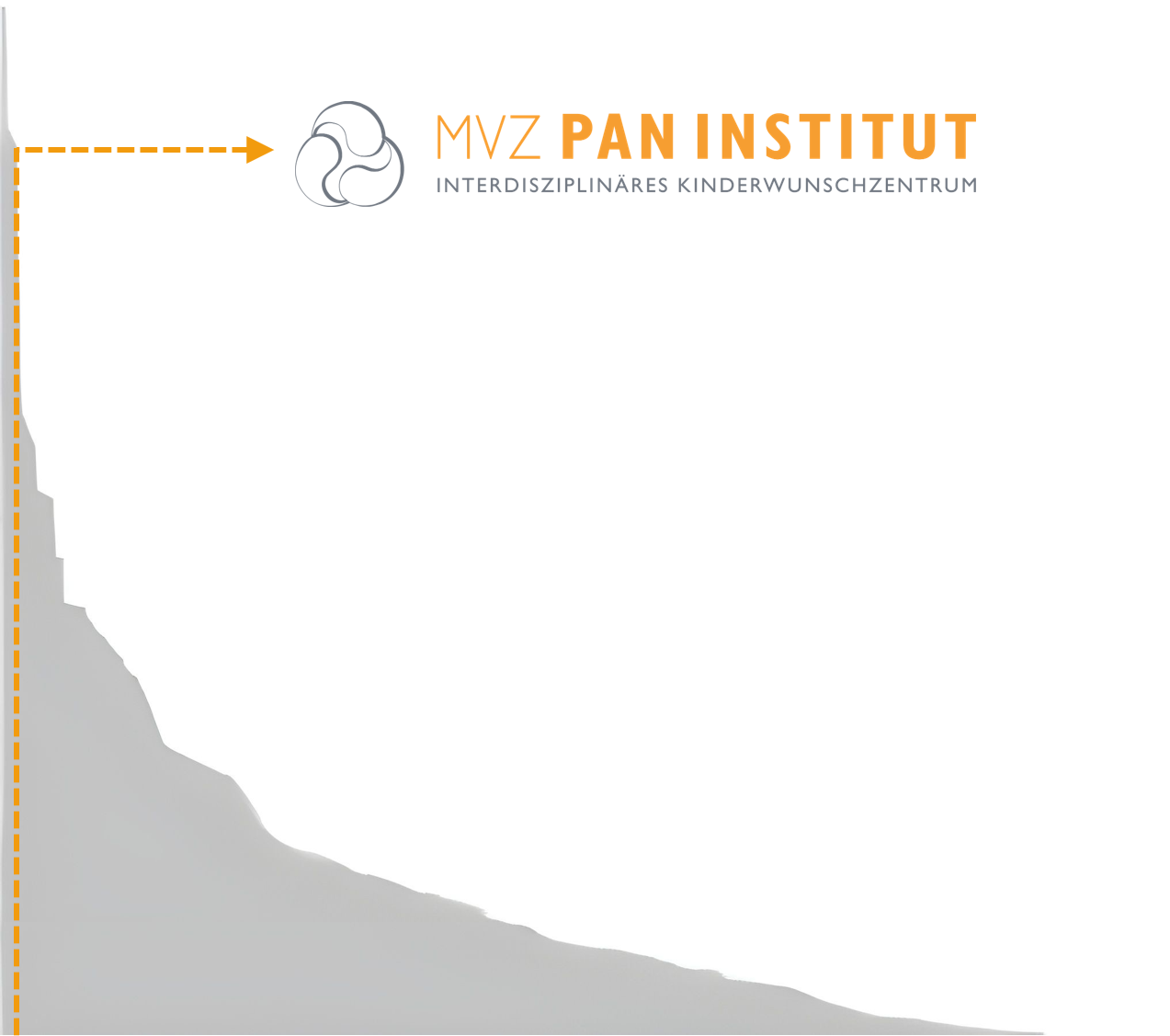
Children born per fertility centre: Top 3 nationwide
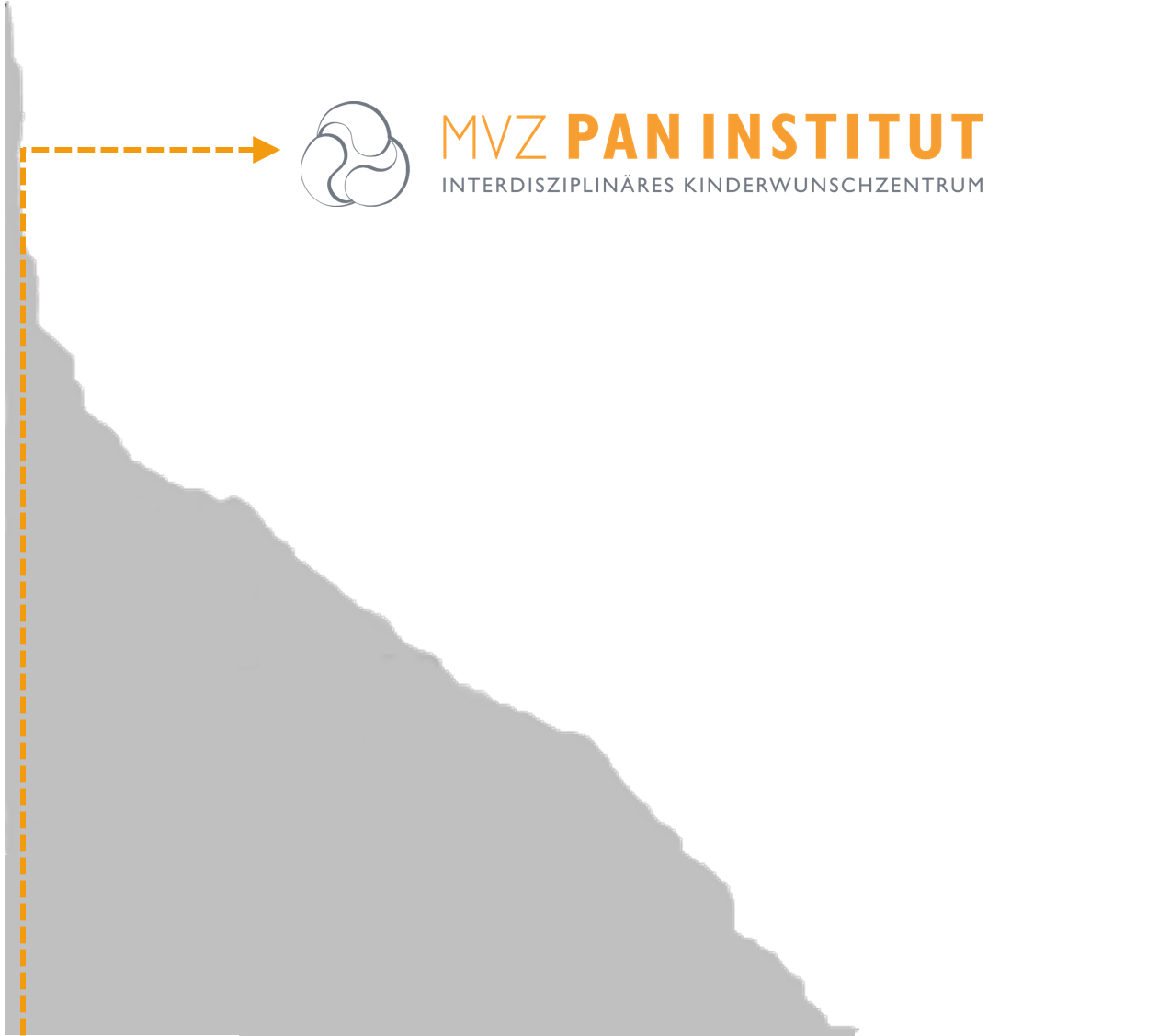
Birth rate per transfer: Top 5 nationwide
The figures illustrate the current treatment success of our centre in comparison with the centres documented in the German IVF Register.
Here you can find the full analysis in the D·I·R Yearbook 2024
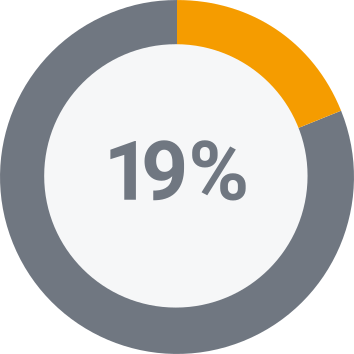
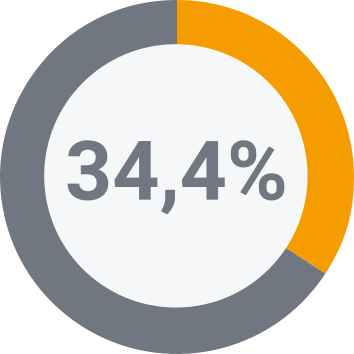
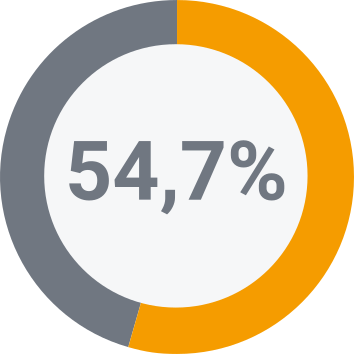
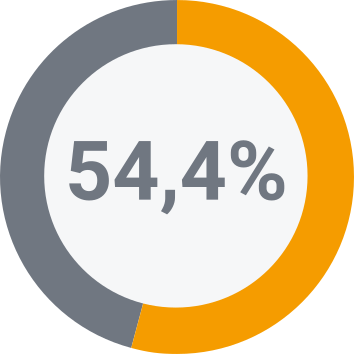
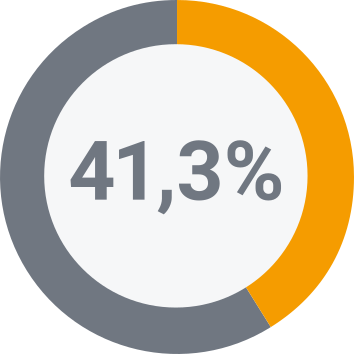
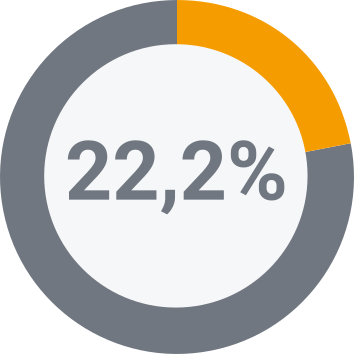
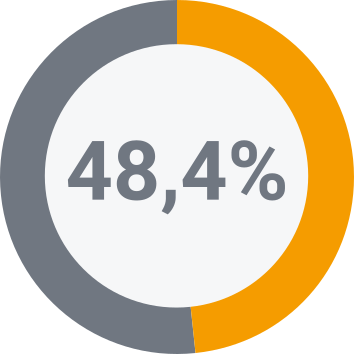
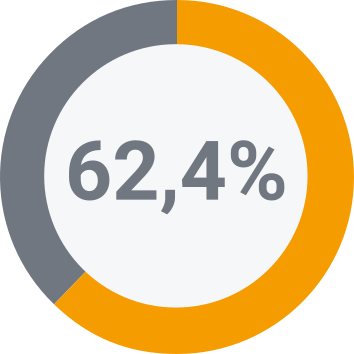
The figures show our pregnancy rates in 2023/24 by age group over three treatment cycles. Further subsequent cycles only lead to a limited increase in success rates. In order to avoid multiple pregnancies, only one embryo (‘single embryo transfer’, SET) was transferred as a matter of principle. This made it possible to largely avoid multiple pregnancies. Since 2021, the developmental potential of the embryos has been assessed in the embryoscope using artificial intelligence (AI).
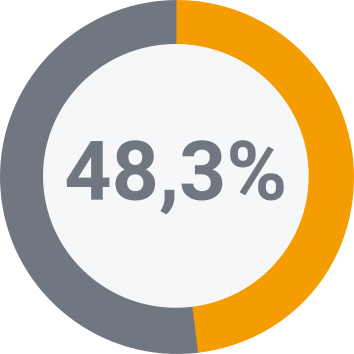
Up to 30 years
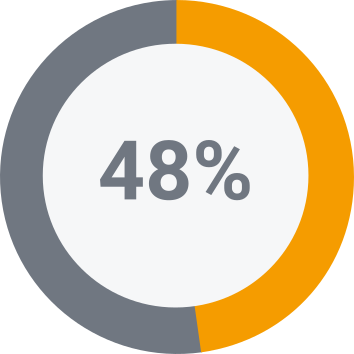
31-35 Years
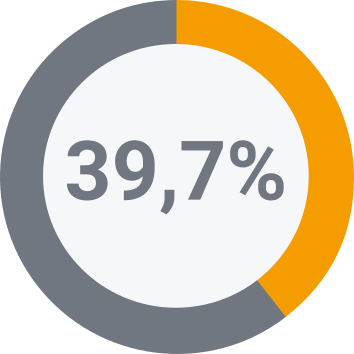
36-40 Years
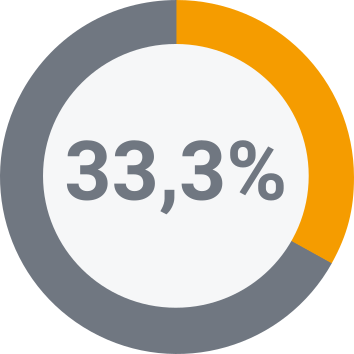
Over 40 years
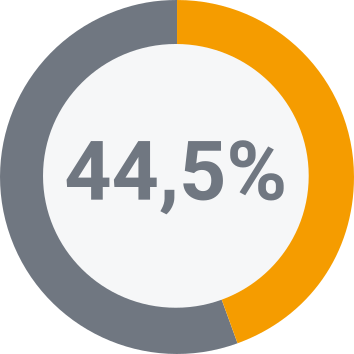
Entire group
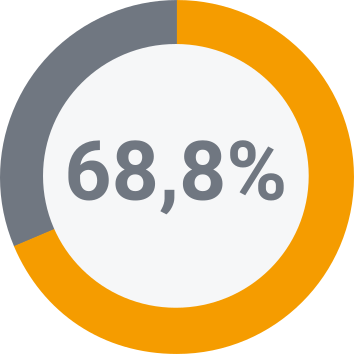
Up to 30 years
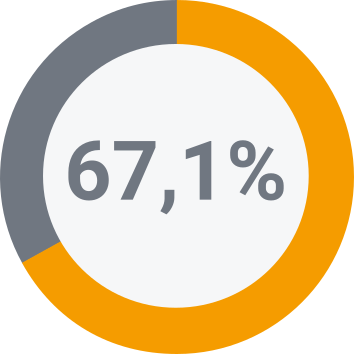
31-35 Years
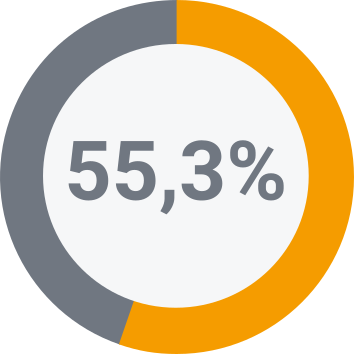
36-40 Years
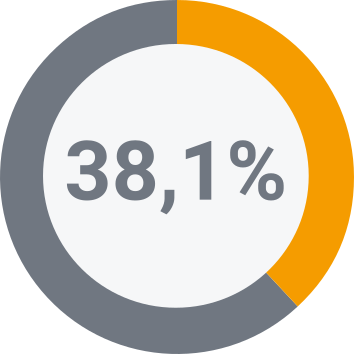
Over 40 years
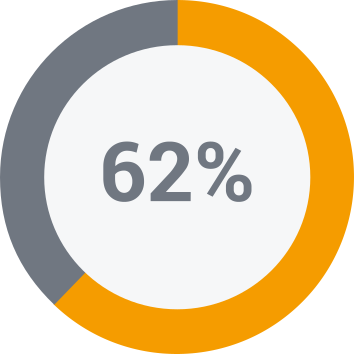
Entire group
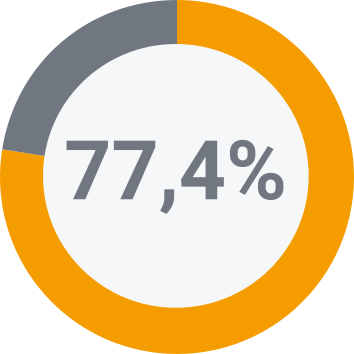
Up to 30 years
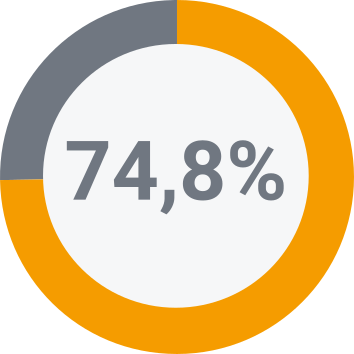
31-35 years
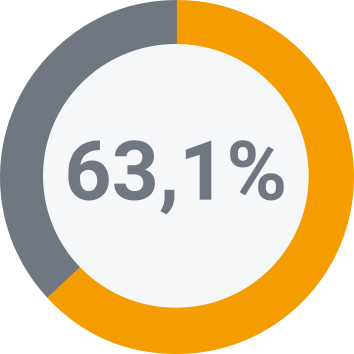
36-40 years
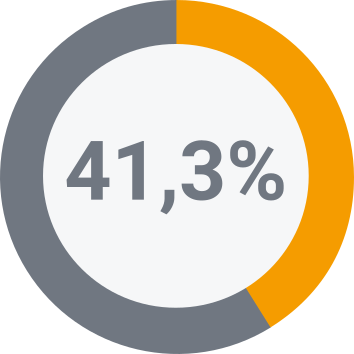
Over 40 years
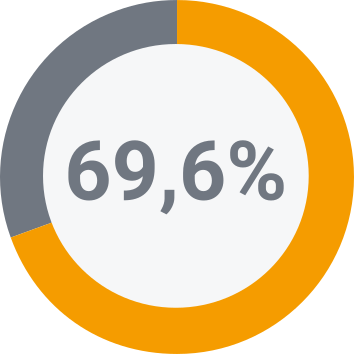
Entire group
Ultimately, the birth rate per embryo transfer (SET) is the decisive criterion for the success of a treatment. Here, too, the age of the patient is crucial. While miscarriages occur in less than 15% of pregnancies in younger patients, this becomes significantly more common with increasing age. This has a significant impact on the chances of giving birth. In patients over 40, the miscarriage rate rises to over 50% per pregnancy. In most cases, chromosomal changes in the embryo are responsible for this with increasing age. Similar to pregnancy rates, there is no significant increase in birth rates after three treatment cycles in subsequent cycles.
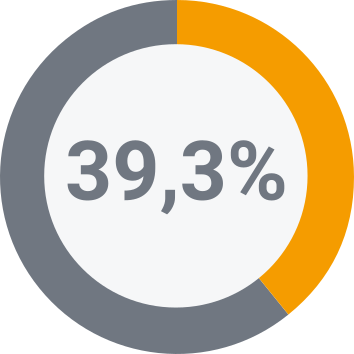
Up to 30 years
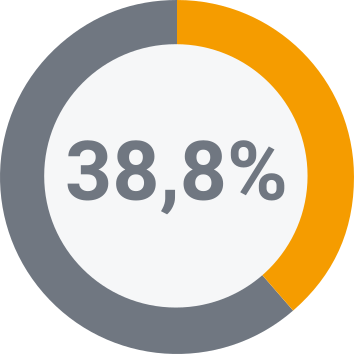
31-35 years
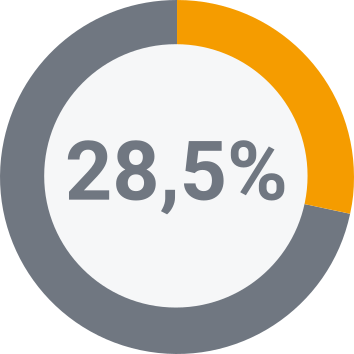
36-40 years
Over 40 years
Entire group
Up to 30 years
31-35 years
36-40 years
Over 40 years
Entire group
Up to 30 years
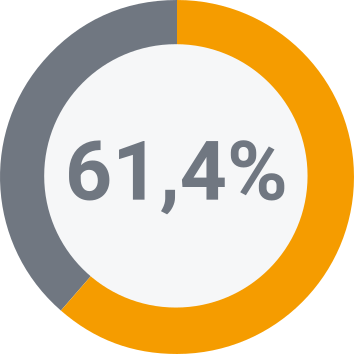
31-35 years
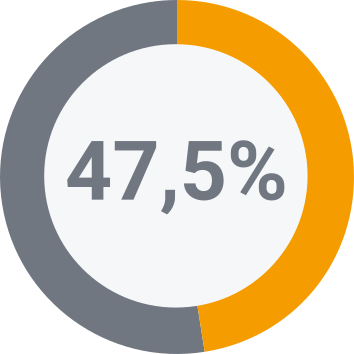
36-40 years
Over 40 years
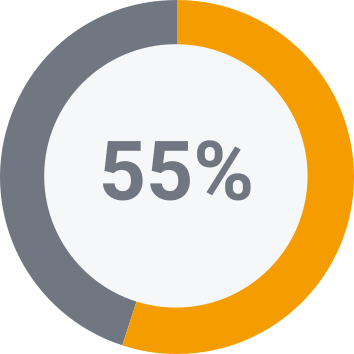
Entire group
Book a first consultationRegister for the information evening