Jump to content

Stay informed about advances in reproductive medicine

Here we provide you with regular updates on the latest developments, scientific findings and innovative treatment methods in reproductive medicine. Find out everything you need to know about advances in IVF and ICSI, pre-implantation diagnostics, laboratory technologies and psychosomatic support. This will keep you well informed and enable you to plan your journey to having a baby in the best possible way.

1.Social Freezing – A New Trend?

By Ina Baltes

More and more women are choosing to have their eggs frozen. This procedure is called “social freezing.” It gives women the opportunity to plan their families more flexibly and to focus first on education, career, or personal goals. The trend is no longer limited to the United States – interest is also growing in Germany. During social freezing, eggs are retrieved at a young age and frozen, preserving the chance for pregnancy later. Many women find this reassuring, as they no longer feel as much pressure from the so-called “biological clock.”

In the report by ZDFheute, reproductive medicine specialist Dr. Julia Holtschmidt discusses the growing demand and the possibilities of this method. She explains that social freezing is a valuable option for many women to decide independently when the right time for a child is.

Watch the video here.

Social freezing represents modern lifestyles and new freedoms. It shows how medicine today can support women in balancing career and family on their own terms.

2.Interesting facts about PGD – insight into the specialist articles by Prof. Zerres

Couples with a genetic predisposition often wonder about the possibilities and limitations of pre-implantation diagnostics. Prof. Zerres has written two articles on this topic for the North Rhine Medical Association that are well worth reading. They provide a sound basis for better understanding current developments and their significance for human genetic counselling.

You can find the articles here:
Great psychological strain – North Rhine Medical Association
The circle of potential applicants is limited. – North Rhine Medical Association

3.New analysis method for sperm

We have expanded our range of differentiated diagnostics in andrology to enable even better analysis of sperm function.

The two procedures are the determination of DFI and the CatSper test. 

You can find more information here 

4.Early miscarriage (abortion) – information for affected couples

In January 2025, the Association of Scientific Medical Societies (AWMF) published new guidelines on early pregnancy loss. 

The guideline on early pregnancy loss in the first trimester also includes an information sheet for patients

5.Recurrent implantation failure (RIF)

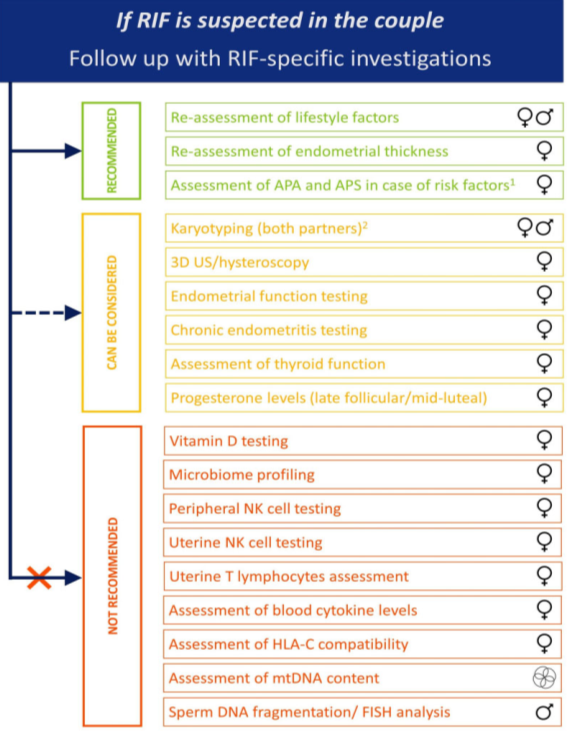
Diagramm zu RIF-spezifischen Untersuchungen.

When embryo transfers do not result in pregnancy, the term recurrent implantation failure (RIF) is used. The diagnosis of RIF exists only in the context of assisted reproduction. Much about the causes is still unknown; they may be due to maternal, paternal, or embryonic factors, or combinations thereof. Investigations and treatments are often conducted or requested by affected couples without clear evidence from studies that these procedures actually increase the chance of pregnancy. Even the diagnosis of RIF is not clearly defined, and self-diagnosis by patients is common.

The ESHRE Working Group on Recurrent Implantation Failure has recently discussed the definition of RIF.

The recommended threshold for diagnosing RIF is set at a cumulative predicted implantation probability of 60%. If a couple has not achieved successful implantation after a certain number of embryo transfers, and the cumulative predicted implantation probability expected with that number of transfers exceeds 60%, further investigations and/or treatment options should be considered. This defines clinically recurrent implantation failure, where additional measures may be warranted. The diagnosis depends on the woman’s age. Further investigations or treatments are recommended if the following number of transfers of non-genetically tested embryos have not resulted in pregnancy:

  • Woman < 35 years after 3 transfers,
  • Woman 35–39 years after 4 transfers,
  • Woman >/= 40 years after 6 transfers.

If the cumulative predicted implantation probability of 60% has not yet been reached, continued therapy has the highest chance of success. According to this definition, for example, a 37-year-old patient with 3 unsuccessful transfers does not yet require further diagnostics.

The scope of recommended measures is limited:

A review of lifestyle factors is considered important. Conditions and behaviors may have changed during fertility treatment. Negative influences, such as over- and underweight, nicotine use, and alcohol consumption, should be emphasized again.

The uterine factor should be critically evaluated. In the case of sonographic abnormalities, e.g., thin endometrium, hysteroscopy may be performed for further assessment. Diagnostic hysteroscopy can now be easily and quickly performed as an office procedure without anesthesia and should be generously indicated based on practical experience.

Testing for antiphospholipid antibodies (APA) and antiphospholipid syndrome (APS) is recommended if thrombophilic risk factors are present, but can also be performed without risk factors. Pathological findings can positively influence implantation probability through appropriate adjunctive medications.

Tests such as immunological screening or evaluation of peripheral and uterine natural killer cells are not recommended due to a lack of clinical consequence.

The most important parameter is patient care: taking time to answer questions, provide education, and give expert explanations. Empathy and motivation to continue treatment when medically realistic chances of success exist are crucial in patient support.

The figure on the left shows recommended investigations for RIF according to the ESHRE good practice recommendations on recurrent implantation failure.

References
ESHRE Working Group on Recurrent Implantation Failure, ESHRE good practice recommendations on recurrent implantation failure. Human Reproduction Open, 2023, 2023(3)

6.Intrauterine insemination therapy – a treatment option with a low chance of success

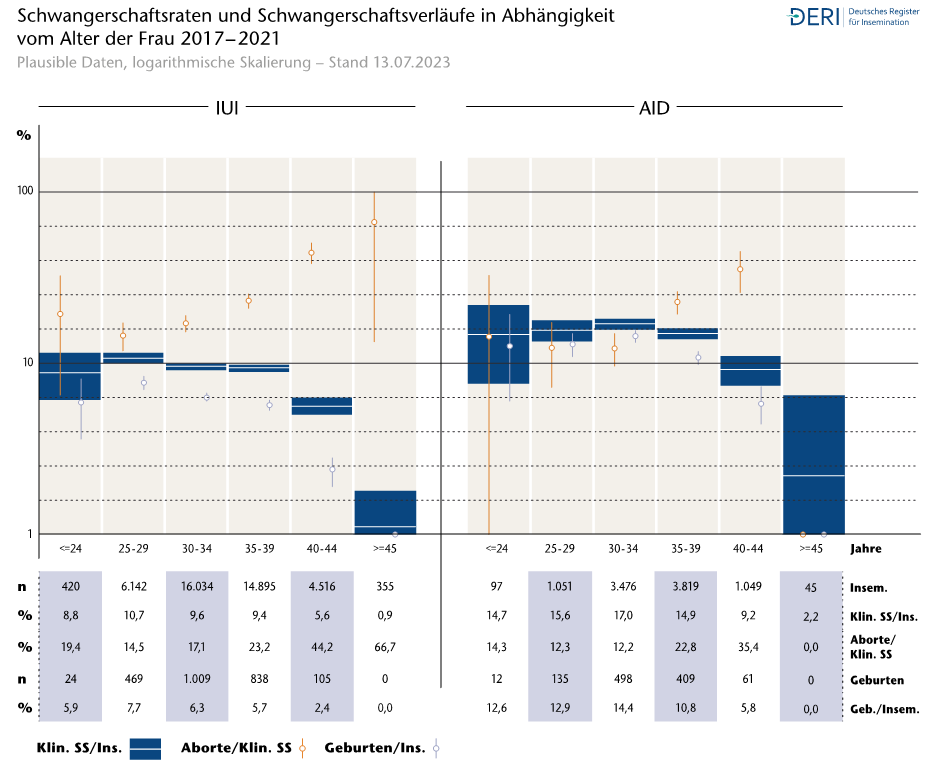
This image presents a bar graph comparing pregnancy rates and outcomes by age group for women from 2017 to 2021. It includes data on clinical pregnancies, abortions, and births, separated into two categories: IUI and AID. The ages range from under 20 to over 45.

The goal of intrauterine insemination therapy (IUI) is to inseminate prepared sperm into the uterus at the optimal time.

www.mvz-pan-institut.de/leistungsspektrum/unsere-fachbereiche/assistierte-medizinische-reproduktion/

IUI is characterized by lower therapeutic effort and reduced costs compared to IVF/ICSI therapy.
Many couples view IUI as a “more natural variant” of fertility treatment, and initial consultations at fertility clinics often start with the desire to begin treatment with IUI.
The DIR German IVF Register Yearbook 2022, published in: J Reproduktionsmed Endokrinol 2023; 20 (5), includes for the first time data from the German Insemination Register (DERI).
It presents treatment data on homologous insemination treatments (IUI) and donor sperm inseminations (AID) performed in Germany from 2017–2022.
Overall, more than 10,000 IUI treatment cycles are performed annually in Germany. The clinical pregnancy rate per IUI ranged from 8.9 to 9.5% over the years for the total collective. 
The live birth rate per IUI over the recorded period was 5.3–6.2%.

DERI separately records inseminations with donor sperm (= heterologous inseminations; AID). The average clinical pregnancy rate over the years was approximately 15%, with a live birth rate of 11.7%. As expected, heterologous therapies achieve higher pregnancy rates than homologous therapies. Cryopreserved sperm from carefully selected donors, mostly with normozoospermia, is used.

The figure on the left shows the age-dependent clinical pregnancy rate for IUI. Only in the age group up to 29 years are pregnancy rates around 10% achieved; from age 40, pregnancy rates drop to 5.6% with a live birth rate of 2.4%. Our own analyses confirm these figures.
The goal of our counseling for couples with an unfulfilled desire to have children is to identify the causes and propose individually appropriate therapeutic measures tailored to the couple’s needs. The aim is to avoid overtreatment, but necessary steps should not be delayed, which could reduce the chances of successful therapy.

In summary, insemination therapies for women aged 35 and older have a low probability of success.  Seventeen to eighteen inseminations are required to achieve a live birth in this age group. Considering success rates and effective use of time, we recommend moving directly to advanced fertility treatments from age 35.

www.mvz-pan-institut.de/was-uns-auszeichnet/unsere-erfolgsfaktoren/schwangerschaftsraten/

The psychological burden on both partners increases with the duration of the unfulfilled desire to have children and with the number of unsuccessful attempts. Even in an insemination cycle, at least three clinic visits are required: monitoring, sperm collection, and insemination.

References
DIR German IVF Register Yearbook 2022, modified reprint from J Reproduktionsmed Endokrinol 2023; 20 (5)

7.Significance of the paternal factor

Eizelle und Spermien

The significance of a woman’s age for the chance of pregnancy has long been established. Eighty percent of spontaneous pregnancies occur within the first six cycles. A woman’s fertility begins to decline from around age 30, and fertility in women in their late 30s is reduced by about half compared to women in their 20s. The decline in natural pregnancy probability with increasing age is also reflected in the success rates of IVF/ICSI therapy. A woman’s age is a self-limiting factor in fertility treatment. For example, in Germany, 19 live births following ICSI therapy were documented in 2020 among 43-year-old women (out of 437 treatments).

However, the male, so-called paternal factor also plays a relevant role.

Sperm quality is declining worldwide. The World Health Organization (WHO) has published laboratory manuals for over 40 years with the goal of worldwide standardization of testing methods. The 6th edition of the WHO Laboratory Manual, released in 2021, provides an updated version. Changes to the reference ranges (lower limits) for the individual semen parameters are marginal compared to the 5th edition. The data refer to a population of men whose partners achieved a natural pregnancy within the previous 12 months. The new WHO Laboratory Manual 2021 includes data from a larger number of men from additional geographical regions (new: China, Egypt, Greece, Iran, Italy). The WHO manual does not provide threshold values for ART.

New data underline the relevance of paternal age.

Datta et al., 2022, examined in a retrospective registry study (2017-2018) the relevance of paternal age in IVF/ICSI treatments (dataset: Human Fertilisation and Embryology Authority HFEA, UK). A total of 18,825 fresh homologous IVF or ICSI cycles with single embryo transfer (SET) were analyzed. Couples with idiopathic or tubal infertility were included, excluding male factors. For women under 35 years, pregnancy chances were independent of the partner’s age. In the age group 35–39 years, a paternal age of 40 years or older was associated with significantly lower pregnancy chances. For women under 35 years, the potential negative effect of paternal age on live birth rate is reduced, but not for older female partners.

The influence of lifestyle factors on male fertility is increasingly recognized.

Andersen et al., 2022, investigated obesity as a risk factor for male subfertility. Among 56 men (BMI 32–43), weight reduction averaging 16.5 kg through lifestyle modifications led to an increase in sperm concentration. The positive effect on ejaculate parameters was confirmed after 52 weeks in men who did not regain weight.

These studies highlight the importance of both age and lifestyle factors in men for pregnancy chances.

Sources:
Datta et al. Does advanced paternal age influence live birth rate independent of woman’s age: analysis of 18,825 fresh IVF/ICSI cycles from a national (HFEA) database. Human Reproduction, Volume 37, Issue Supplement_1, July 2022, deac106.090, https://doi.org/10.1093/humrep/deac106.090
Andersen et al. Sperm count is increased by diet-induced weight loss and maintained by exercise or GLP-1 analogue treatment: a randomized controlled trial. Human Reproduction, Volume 37, Issue 7, July 2022, Pages 1414–1422, https://doi.org/10.1093/humrep/deac096
Image from <a href="https://de.freepik.com/fotos-kostenlos/schoenes-fruchtbarkeitskonzept-in-3d-rendering_21535852.htm#query=befruchtung%20eizelle&position=1&from_view=search&track=ais">Freepik</a>

8.Add-ons: The ERA test

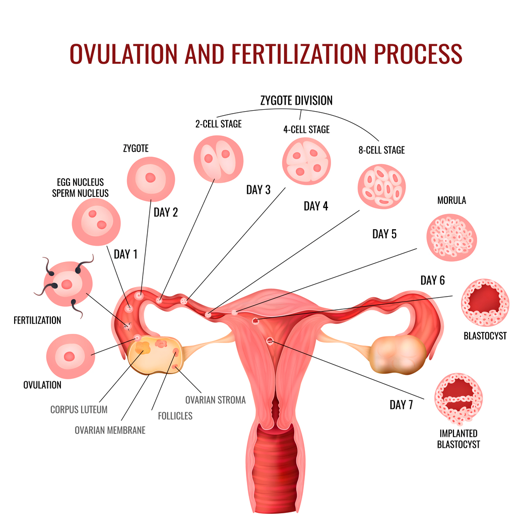
Illustration depicting the ovulation and fertilization process. It shows key stages: ovulation, fertilization, zygote division, and development of the embryo from zygote to implanted blastocyst over seven days. The diagram includes labels for each stage and anatomical structures involved in reproduction.

So-called additional measures or “add-ons” are common in fertility treatments, especially in cases of unsuccessful attempts. Couples often feel the desire to “do more” in this situation.
Numerous procedures are more or less seriously “advertised” on the internet. For many procedures, an increase in birth rates has not been proven. Counseling couples about any potential positive benefit of add-ons can only be provided individually, based on the medical situation and assessment. For affected couples, an expert evaluation is usually not possible, making medical advice paramount.
In recent years, particularly in cases of unsuccessful therapy, the ERA test has been promoted (ERA® Igenomix; patented in 2009). The commercially offered test (endometrial receptivity array ERA) analyzes 238 genes expressed in the endometrium and determines the individual “window of implantation.” The ERA test predicts the best implantation window and the optimal timing for embryo transfer (personalized transfer).

Recently, two new evaluations on the relevance of the ERA test have been published.

A meta-analysis included 17 studies (4 randomized controlled trials and 13 cohort studies) with 7,052 patients. The authors concluded that personalized embryo transfer based on ERA did not improve overall pregnancy outcomes, including implantation rate (RR 1; 95% CI 0.83–1.2), clinical pregnancy rate (RR 0.99; 95% CI 0.85–1.15), ongoing pregnancy rate (RR 0.99; 95% CI 0.89–1.11), and miscarriage rate (RR 1.12; 95% CI 0.81–1.54). Patients in the first IVF cycle showed increased live birth rates (RR 1.24; 95% CI 1.03–1.49). In particular, no higher live birth rate could be achieved in cases of repeated implantation failure (RR 0.86; 95% CI 0.64–1.36).

Another study examined the use of the ERA test after a previous transfer without pregnancy. Using ERA after a failed transfer attempt did not improve outcomes.

Performing the ERA test requires a mock cycle for obtaining the endometrial biopsy; a simultaneous transfer is not possible in the diagnostic cycle, meaning the ERA test delays the timeline of fertility therapy. 

We do not recommend performing the ERA test.

Sources:
Cozzolino et al. Use of the endometrial receptivity array to guide personalized embryo transfer after a failed transfer attempt was associated with a lower cumulative and per transfer live birth rate during donor and autologous cycles. Fertil Steril 2022 Oct;118(4):724-736. doi: 10.1016/j.fertnstert.2022.07.007. Epub 2022 Sep 6.
Huy Phuong Tran HP et al. The impact of an endometrial receptivity array on personalizing embryo transfer for patients with infertility: a meta-analysis. Fertil Steril Rev 2022; 3:157–73. CRD42021255124.

9.Cryopreservation – increasing the cumulative chance of pregnancy

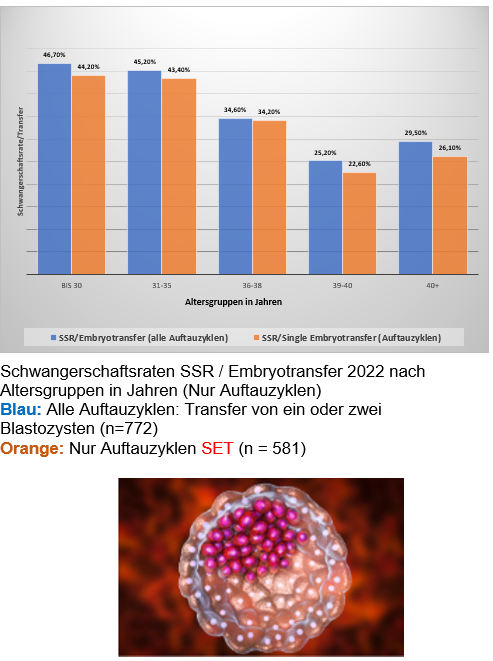
Bar chart displaying pregnancy rates (SSR/Embryo transfer) for 2022 by age groups. Blue bars represent all cycles (transfer of one or two blastocysts), while orange bars represent single embryo transfers (SET). Age groups range from under 30 to over 40, with varying percentages indicated for each group.

Cryopreservation measures are now an established component of fertility treatment in Germany and worldwide. In recent years, the procedures for culturing fertilized eggs have been significantly improved. Due to the often very different individual conditions, it is still necessary to fertilize several eggs following a limited ovarian hyperstimulation. While in the early years of therapy, up to three embryos were transferred due to significantly lower success rates, today we aim to transfer only one embryo (SET, “Single Embryo Transfer”) to avoid the threefold higher risks for mother and child already present in twin pregnancies. Through artificial intelligence techniques (“deep learning”), we can increasingly determine an embryo’s developmental potential more precisely, allowing us to better assess and limit the number of viable embryos. 
If more viable cells arise during an IVF/ICSI treatment than can be transferred to the uterus, the surplus fertilized eggs can be proactively frozen at the pronuclear or blastocyst stage (cryopreservation). 
To preserve the quality of the cells, we use “rapid freezing” (vitrification). Freezing and thawing occur extremely quickly, and storage is theoretically possible indefinitely.
If pregnancy does not occur or if there is a renewed desire for a child, cryopreserved cells can be thawed and transferred to the uterus as further cultured embryos (thaw or cryocycle). This allows pregnancy to occur without repeating all steps of the IVF/ICSI therapy.
Stimulation treatment, egg retrieval, and sperm donation are then no longer necessary. The transfer can be performed in a natural cycle.

Almost one-third of the treatments performed in 2022 at the Interdisciplinary Fertility Center of the MVZ PAN Institute used cryopreserved gametes.
The chance of success is also age-dependent in thaw cycles, with pregnancy rates of up to 47% achievable (see figure on the left).

To avoid multiple pregnancies, transferring only one embryo (SET) is an important quality criterion. Even after transferring only one blastocyst, very good pregnancy rates can now be achieved, especially in young couples. The figure illustrates that the chance of pregnancy after transferring only one blastocyst (orange) is only minimally lower.

Cryopreservation can significantly increase the chance of pregnancy per egg retrieval (cumulative pregnancy rate). Therefore, within the framework of IVF/ICSI therapy, we recommend the complementary use of the established cryopreservation procedures currently available as needed.

However, all cryopreservation measures, including thaw cycles, are not part of the statutory health insurance benefits.

Source:
Statistics MVZ PAN Institute Interdisciplinary Fertility Center 2022

10.Treatment of same-sex couples

Eheringe auf Regenbogenstoff

Since “marriage for all” became possible in Germany, rainbow families have been largely placed on an equal footing with heterosexual married couples in many areas. However, on the path to having a child, there are still a number of hurdles to overcome, ranging from the (medical) realization of parenthood to the legal recognition of parenthood and complex adoption procedures. In addition, there are differing regulations in the legislation of the federal states, in the guidelines applicable to treating physicians issued by the responsible medical associations, and in the financial support provided by potential cost bearers.
As your consulting physicians, we competently support you with the medical aspects of your journey towards having a child. As we are not permitted to provide legal advice, you will find below a selection of links that address relevant issues and questions from a legal perspective in detail.

The team at the MVZ Pan Institute specializes in the interdisciplinary care of couples with an unfulfilled desire to have children. Lesbian couples (cisgender female couples) are also optimally supported on their journey towards starting their own family.

Assisted reproduction treatment methods:
In addition to the options of becoming a foster family or adopting a child, assisted reproduction is a good option for lesbian couples on their path to parenthood.
Two different procedures using donor sperm from a sperm bank are available for assisted reproduction:
In intrauterine insemination, donor sperm is introduced directly into the uterine cavity using a thin catheter. Fertilization of the egg then occurs naturally.
In cases of cycle disorders, accompanying hormonal stimulation may be carried out.

If treatments using intrauterine insemination are repeatedly unsuccessful or if the chances of success of insemination therapy are assessed as too low from the outset, assisted reproduction using IVF or ICSI may also be considered. In this process, the egg cell is fertilized with the sperm cell artificially in the laboratory, and the fertilized egg(s), now embryo(s), are then transferred to the uterus.
As part of a consultation, both treatment methods are explained in detail, including the procedure, chances of success, risks and side effects, costs, and the basic bureaucratic requirements.

We would like to inform you in advance about the necessary prerequisites for treatment at our fertility center:
You must already be married before starting fertility treatment. In addition, prior to the start of fertility therapy, notarized family law counseling is required, and we also recommend psychological counseling regarding the medical, emotional, and social aspects and challenges of heterologous fertility treatment (i.e. using donor sperm).

In counseling, diagnostics, and therapy, we are guided by your individual situation, wishes, and needs, based on national and international medical guidelines and recommendations. What unites us is the shared goal of helping you fulfill your desire to have a child as soon as possible.
The costs of fertility treatment through assisted reproduction are usually not covered by health insurance companies and must be borne by the couples themselves. Other subsidies (e.g. from the state of North Rhine-Westphalia) are generally not granted.
For assisted reproduction as part of fertility treatment for lesbian couples, donor sperm from a certified sperm bank is used. Sperm donors must meet strict health requirements (see also the German Sperm Donor Register Act: https://www.gesetze-im-internet.de/saregg/BJNR251310017.html). Prior to donation, donors undergo comprehensive medical examinations and a thorough medical history assessment with regard to chronic and genetic diseases. Transmissible diseases are also excluded.

We cooperate with the following institutions (for foreign sperm banks, only specific, designated donors may be used/ordered in Germany):

Erlangen Sperm Bank 
European Sperm Bank
Cryos Denmark  

As part of an initial consultation, all questions are clarified and patients are informed in detail about the individual steps of diagnostics and treatment as well as the applicable legal and organizational framework. Once the medical aspects of the procedure have been clarified, contact can be made with the sperm bank to select a suitable sperm donor, and the required notarized and psychological counseling can take place.
If you are a cisgender, married female couple wishing to realize your desire to have a child through intrauterine insemination or IVF/ICSI (“in vitro fertilization”) treatment using donor sperm, please feel free to contact us.

We look forward to meeting you!


FURTHER READING (from the NRW Family Portal):

The Rainbow Portal is an information service provided by the Federal Ministry for Family Affairs, Senior Citizens, Women and Youth. Details on adoption law and further legal framework conditions for rainbow families can be found here: www.regenbogenportal.de

In addition, the Ministry for Family Affairs of the State of North Rhine-Westphalia provides information on this topic: www.mkjfgfi.nrw/lsbtiq

Further information on the topic “Experiencing family diversity in early childhood education” can be found on the NRW daycare portal: www.kita.nrw.de

Comprehensive information on family formation by same-sex couples can be found on the website of the German Lesbian and Gay Association: www.lsvd.de

The “Rainbow Family Counseling Competence” portal of the German Lesbian and Gay Association offers professionals in family-related counseling fields thematic lectures and day workshops on living with and counseling rainbow families: www.regenbogenkompetenz.de

rubicon e. V. provides counseling, health promotion, and support for lesbian, gay, bisexual, trans*, inter*, and queer individuals and groups: www.rubicon-koeln.de

11.Latest news on pre-implantation genetic diagnosis (PGD)

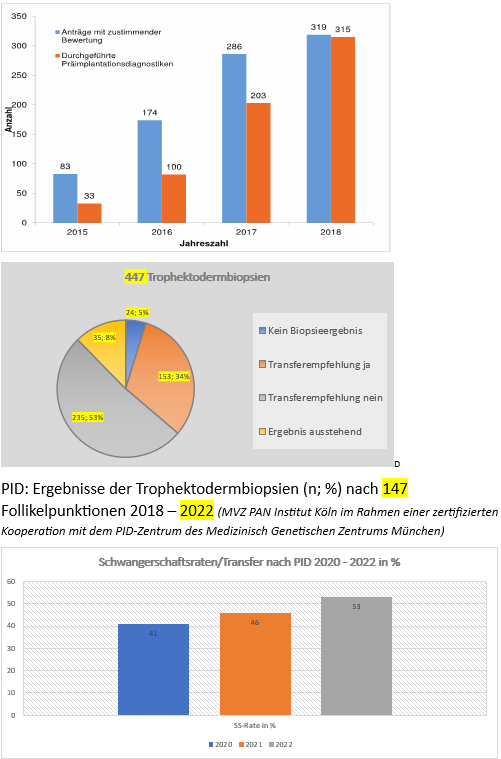
Image shows data on trophoblastic biopsies over several years. A bar chart highlights the increase from 174 in 2016 to 319 in 2018. A pie chart details biopsy results, with categories for recommendations and outcomes. Additionally, a summary outlines pregnancy transfer rates from 2020 to 2022.

Since 2018, we have been performing PGD at our fertility clinic in our interdisciplinary working group as part of a certified cooperation with the PGD Centre at the Medical Genetics Centre (MGZ) in Munich. Human genetic, reproductive medical and psychosocial counselling for couples and the subsequent IVF/ICSI therapy with trophectoderm biopsy take place at the MVZ PAN Institute in Cologne. PGD is performed at the MGZ Munich (PGD Centre). The blastocysts are vitrified and stored in Cologne, the trophectoderm biopsies are cryopreserved and sent to Munich for PGD. After receiving and discussing the PGD results with the couple, the cryotransfer of an unaffected blastocyst is performed at the MVZ PAN Institute in Cologne. Data on the performance of PGD is collected annually in Germany by the Paul Ehrlich Institute, which evaluates and publishes it every four years for reporting to the federal government. Most recently, a total of 315 treatments with PGD were reported in Germany for 2018 (left Fig. 1).
At our institute, we performed PGD on 82 couples between 14 January 2018 and 31 December 2022 after receiving a positive ethics vote. The indications were monogenic diseases in 52% (n = 43) and chromosomal abnormalities in 48% (n = 39) of cases.
A total of 147 follicular punctures were performed with 447 trophectoderm biopsies. In 25 cases, it was not possible to perform the trophectoderm biopsy due to a lack of blastocyst development. Based on the available results, a transfer (ET) was recommended in 153 biopsies, while a transfer was not recommended in 235 biopsies (left Fig. 2).
To date, 110 blastocyst transfers have been performed after PGD with a recommendation for treatment. In the majority of cases, a single embryo transfer was performed. The pregnancy rate in 2022 was over 50% per transfer (left Fig. 3).
 

Year202020212022
Pregnancies (n)
Transfers performed (n)
Pregnancy rate per transfer
9
22
41%
13
28
46%
16
30
53%

Blastocyst transfers after PGD – pregnancy rates 2020–2022 (MVZ PAN Institute Cologne within the framework of a certified cooperation with the PGD Centre of the Medical Genetics Centre Munich)

With PGD, couples who have a high risk of a serious hereditary disease due to their genetic predisposition have a very high chance of giving birth to an unaffected child. PGD is established at the MVZ PAN Institute with very high pregnancy rates that are internationally comparable.

Source:
Report of the Federal Government
https://www.bundesgesundheitsministerium.de/fileadmin/Dateien/3_Downloads/P/PID/2._PID-Bericht_der_Bundesregierung.pdf

12.Recertification as an endometriosis practice

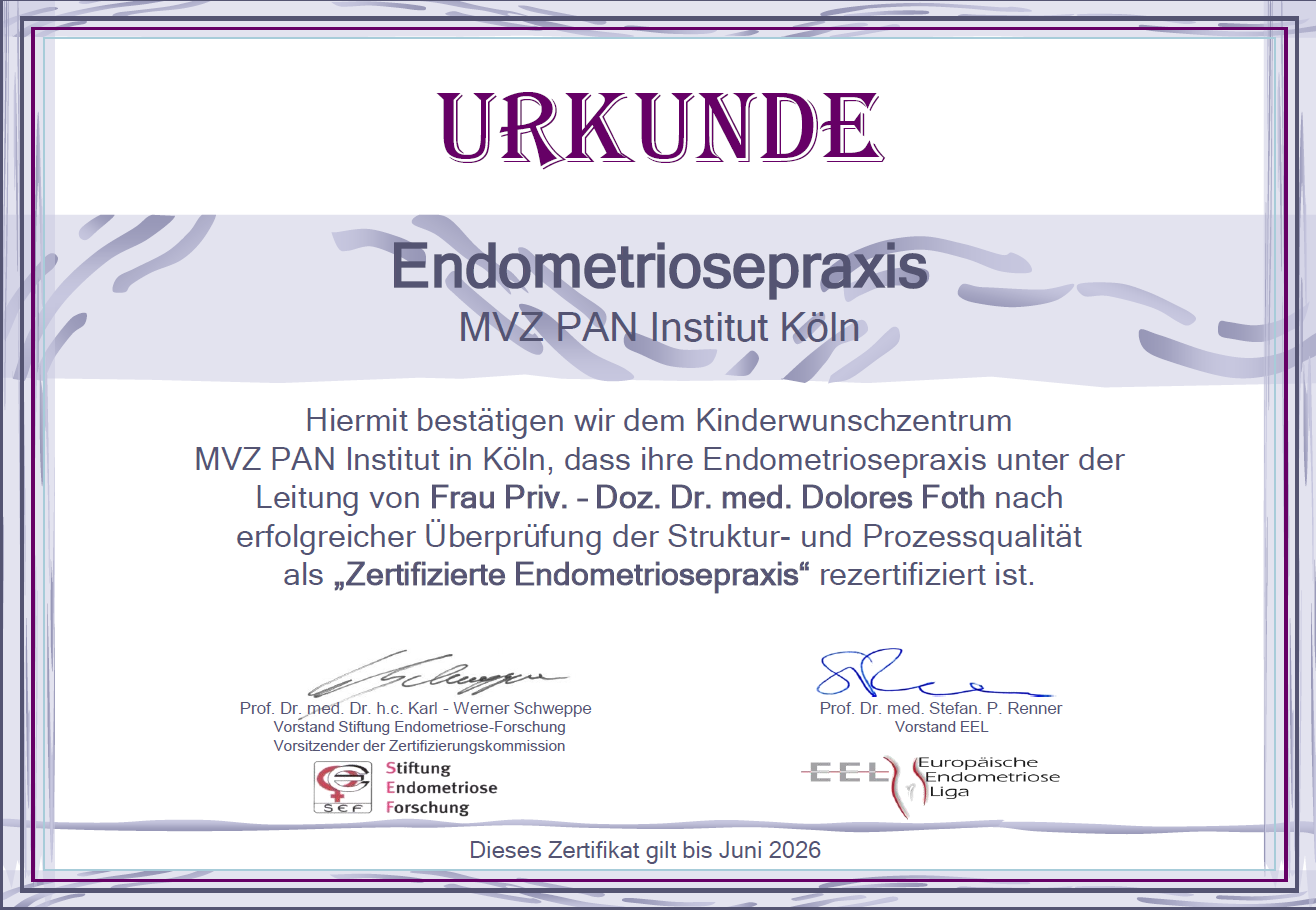
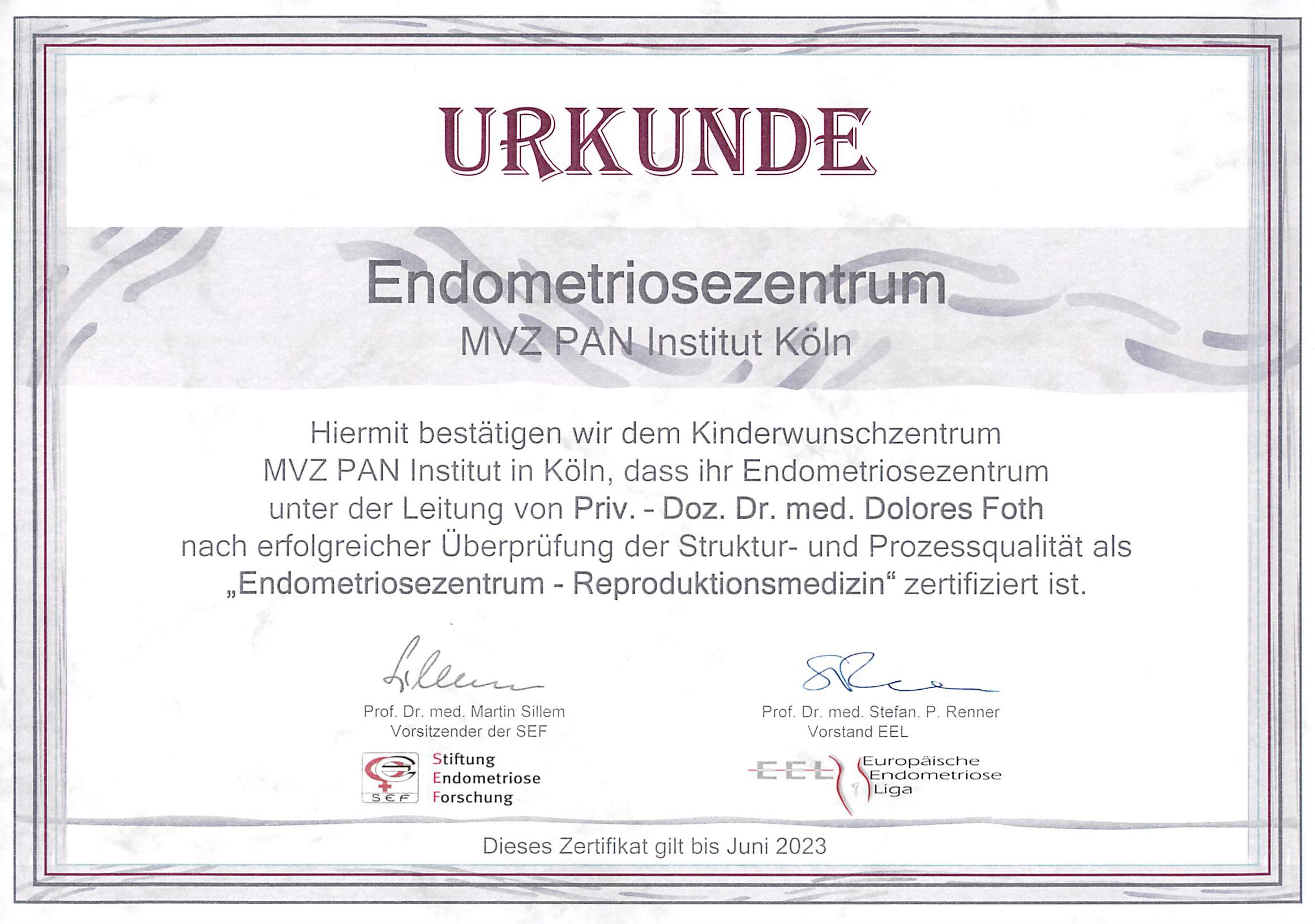
Certificate confirming the re-certification of the Endometriosis Practice at MVZ PAN Institute in Cologne, led by Dr. Dolores Foth. The document states that the practice meets the standards for structure and process quality as a certified endometriosis practice. Valid until June 2026.

On behalf of the SEF (Endometriosis Research Foundation) and the EEL (European Endometriosis League), the MVZ PAN Institute is delighted to announce its recertification as an endometriosis practice for the next three years.

13.Success rates: 2,414 treatment cycles

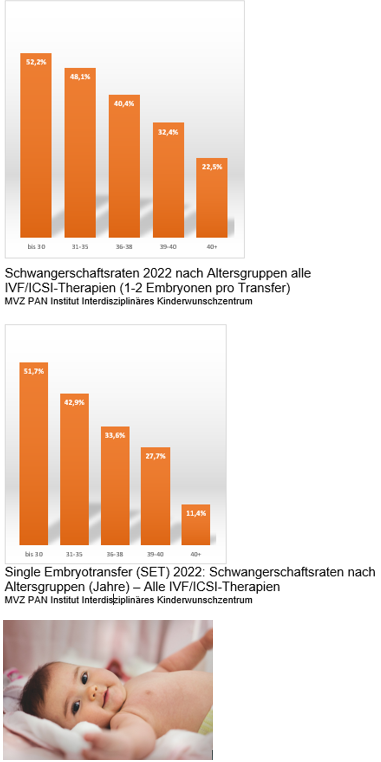
The image features two bar graphs depicting pregnancy rates in 2022 based on age groups for IVF/ICSI therapies. The first graph shows overall pregnancy rates, while the second focuses on single embryo transfers. Below is a photo of an infant, symbolizing the outcome of these treatments.

In 2022, we performed 2,414 assisted reproductive technology (ART) treatment cycles at our interdisciplinary fertility centre.
The treatment cycles included 1,375 follicular punctures for IVF or ICSI therapy and 899 so-called thawing cycles. Almost one third of all treatments were performed with cryopreserved cells. More than two-thirds of all fertilisation procedures following follicular puncture were performed using intracytoplasmic sperm injection (ICSI).  
For IVF and ICSI therapies, average pregnancy rates of 41% per embryo transfer were achieved across all age groups. In so-called ‘ideal couples’ (< 35 years of age, 1st treatment cycle, more than 7 eggs retrieved, at least 5 pronuclear stages (PN), use of native sperm),
the pregnancy rate was 53.7% per embryo transfer. The chances of pregnancy decrease continuously with the woman's age, making the woman's age an important parameter for the success rate of treatment. 

In addition to high pregnancy rates and low complication rates, the reduction in multiple pregnancies, especially twin pregnancies, has established itself as a relevant quality criterion in recent years. The aim of treatment is to give birth to a healthy child while avoiding the risks associated with multiple pregnancies. Twin births carry a threefold increased risk for mother and child, with the rate of premature births increased by 83% (DIR, German IVF Register 2020)!2

After the transfer of two blastocysts, the multiple birth rate across all age groups is 26.2%.  For couples under the age of 30, the probability of multiple births is even higher, reaching up to one third of all pregnancies. For this reason, single embryo transfer (SET) is becoming increasingly popular among young couples.

The developmental potential of an embryo on day two or three of embryonic development can only be predicted to a limited extent. Only some of these embryos develop to the blastocyst stage.  In spontaneous conception, embryos are located in the fallopian tube on day two or three. In the natural cycle, implantation takes place in the uterine cavity at the blastocyst stage. To achieve good pregnancy chances, the transfer of a blastocyst is therefore always carried out on day 5 of embryonic development in vitro. In order to make the most accurate predictions possible, we have been using artificial intelligence (AI) to assess embryonic development in the embryoscope for over two years. This allows us to make more precise predictions about the live birth rate and the risk of early miscarriage due to developmental disorders.
Almost two-thirds of our fresh transfers in 2022 were performed as SET.

Even after transferring just one blastocyst, very good pregnancy rates can now be achieved, especially in young couples, while avoiding multiple pregnancies.

Sources
1 Statistik MVZ PAN Institut Interdisziplinäres Kinderwunschzentrum
2 www.deutsches-ivf-register.de/perch/resources/dir-jahrbuch-2021-deutsch.pdf

14.ZyMōt™ – The natural selection of the best sperm

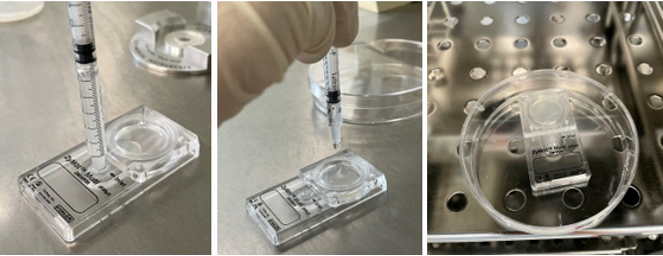
Three sequential images show a laboratory process: a syringe is filled with a substance, then positioned above a transparent petri dish, and finally, the contents are dispensed into the petri dish, which sits on a perforated surface.

Some factors that determine the success of fertility treatment are beyond our control, but others are very much within our power!

The importance of healthy sperm for the success of fertility treatment has long been recognised. It therefore makes sense to use only the best sperm in fertility treatment.

The innovative ZyMōt™ chamber (‘sperm separation device’) offers a natural, simple and effective way to select the best sperm – namely those with the highest motility and the best morphology. It also increases the proportion of sperm with good genetic quality (low DNA fragmentation).

The ZyMōt™ chamber mimics the natural barrier of the cervix and uterus with a membrane containing micropores. Only optimally functioning sperm are able to pass through these pores. This allows the separation of good sperm from suboptimal sperm to be carried out gently and without harmful artificial additives or the centrifugation required in conventional sperm preparation.

The optimal sperm isolated in this way can be used for fertility treatment – this applies in particular to intracytoplasmic sperm injection (ICSI).

Studies have demonstrated the positive effect on the genetic integrity of embryos (euploidy) and the resulting increase in pregnancy rates. We would be happy to explain the advantages of this method to you in a personal consultation.

15.Re-licensing as a cooperating PID centre together with MGZ Munich

For several years now, we have been the only licensed centre for pre-implantation genetic diagnosis (PGD) in cooperation with the Medical Genetics Centre (MGZ) in Munich (Prof. E. Holinski-Feder, PD Dr. A. Abicht) and have already been able to help a number of couples. Following a complex re-licensing process by the Bavarian State Ministry of Health and Social Affairs, we have now had our licence renewed.

16.Recertification as a Clinical Endometriosis Centre (II)

Certificate from Endometriosis Center at MVZ PAN Institute, Cologne, confirming its accreditation in reproductive medicine under Dr. Dolores Foth. It certifies successful evaluation of structure and process quality, valid until June 2023.

Our clinical endometriosis centre (II) has been treating patients with endometriosis for many years, including those who wish to have children. We are delighted that it has now been recertified by both the German and European Endometriosis Leagues. 

17.Licence extended to include the main departments of surgery and gynaecology

Last week, we received the licence extension (§30 GewO) for our clinic from the Cologne Health Authority. This will see two affiliated departments restructured into main departments, thereby improving the structural offering of the PAN Clinic. These are the main surgical department with the sub-departments of general and hernia surgery, neurosurgery and vascular surgery, and the main gynaecology department with the sub-departments of operative gynaecology and senology.

We are delighted to be able to offer you an even more comprehensive range of services!

18.Artificial intelligence supports our search for the optimal embryo in in vitro fertilisation

Our modern embryoscope (incubator) enables continuous monitoring of the embryos and their development. To this end, images are taken of each embryo at short intervals in several focal planes. At specific times, the cells divide and on the fifth day a blastocyst forms. Based on comparative data from up to 80,000 parameters, the individual intervals between cell divisions can be used to calculate the potential of an embryo for pregnancy. The latest approaches use automatic image recognition to determine cell division events. The data obtained in this way can be analysed by a highly complex algorithm that calculates the chances of each embryo individually. The resulting pregnancies can be communicated to the algorithm, so that it constantly learns (deep learning) and makes increasingly better recommendations. We are in the process of establishing this new method for our patients.

Pregnant woman holding her belly
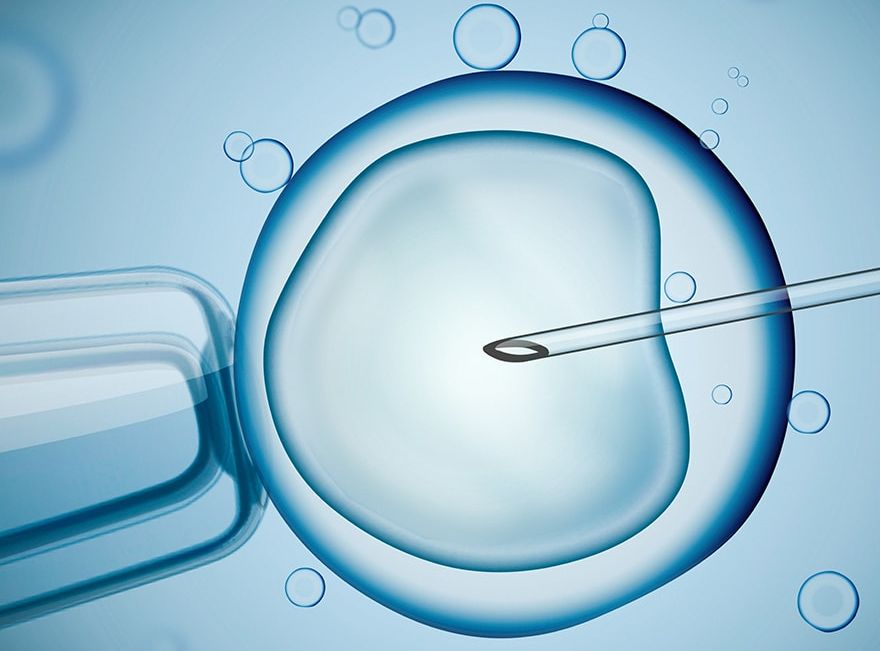
Illustration of a scientific process showing a needle injecting into a cell. The scene includes a clear cell surrounded by small bubbles, with a syringe positioned nearby, symbolizing medical or biological research and techniques.
A loving couple shares a moment with their baby, who is wearing a white hat. The parents are leaning in, kissing the sides of the baby's face, creating a warm and affectionate family scene. The background is soft and neutral, emphasizing their joyful connection.