Latest technology in our cleanroom laboratory
With state-of-the-art laboratory technology and optimal conditions for embryos, we increase the chances of success for your fertility treatment.
With state-of-the-art laboratory technology and optimal conditions for embryos, we increase the chances of success for your fertility treatment.

When an embryo initially develops in the laboratory rather than in the mother's body, this is an environment that may well cause stress to the embryo. This embryonic stress can affect the development of the embryo and should not be underestimated. Indeed, unfavourable laboratory conditions may reduce the likelihood of successful fertility treatment.
We are aware of this problem – and create the ideal conditions for embryonic development with state-of-the-art facilities and the best possible technology.
Three stressors harm the embryo and affect the likelihood of successful treatment:
The conditions in our laboratory are excellent in order to protect the embryo: The air in the incubator has the ideal oxygen content (5%), pollutants are filtered out and incubation after fertilisation until transfer is problem-free.
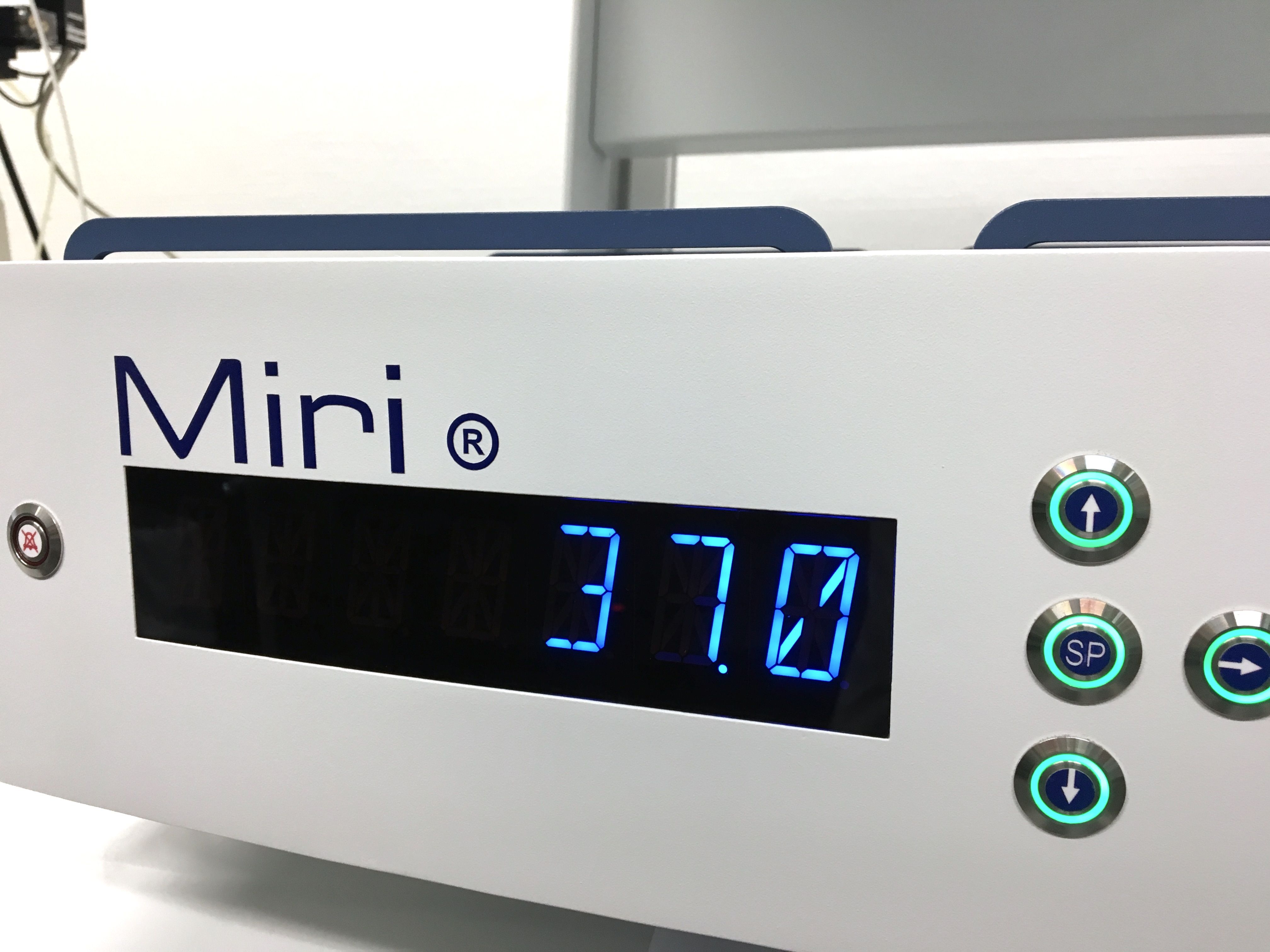
We use the latest technology to create the ideal conditions. A certified clean room air conditioning system with dust and carbon filters, regulated humidity and temperature (TÜV) ensures clean air. The Miri Benchtop Multiroom Incubator creates the best possible conditions for the cells under low oxygen content before fertilisation. The Embryoscope, in turn, ensures optimal incubation conditions after fertilisation. Our centre has been working with what was then the world's first Embryoscope since 2012, and we currently use the successor model, the Embryoscope+.
Time-lapse technology reduces the restrictions on observation time and stress on the embryos during culture. With the Embryoscopes, we enable undisturbed embryo culture, continuous image capture and an improvement in the evaluation process through more objective analysis.
At our fertility clinic, we use state-of-the-art technology to improve the chances of a successful pregnancy. To this end, we use Vitrolife's iDA-Score®, an artificial intelligence-based system that automatically analyses development using time-lapse imaging. This helps us to objectively assess the development potential of your embryo. However, the decision on embryo transfer is always made in combination with professional experience and assessment.
In addition to optimal laboratory conditions and first-class technical equipment, the experience that the medical professionals involved have with the methodology and technology used is also crucial. Our doctors and staff are all experts who have been working intensively in this field for many years. They hold the relevant certificates, receive regular training and can draw on a wealth of valuable experience gained from numerous successful fertility treatments. All of this has a positive effect on the quality of treatment.
Book a first consultationRegister for the information evening